Table of Contents
- – ADHD Testing: Beyond Sign Checklists
- – Autism Range Analysis: Recognizing Diverse Pre...
- – Learning Impairment Screening: Identifying Spe...
- – Kid Evaluation: Developing Factors To Consider...
- – Grown-up Evaluation: Identifying Late-Diagnose...
- – Neurodivergent-Affirming Analysis: Changing th...
- – Ey Em
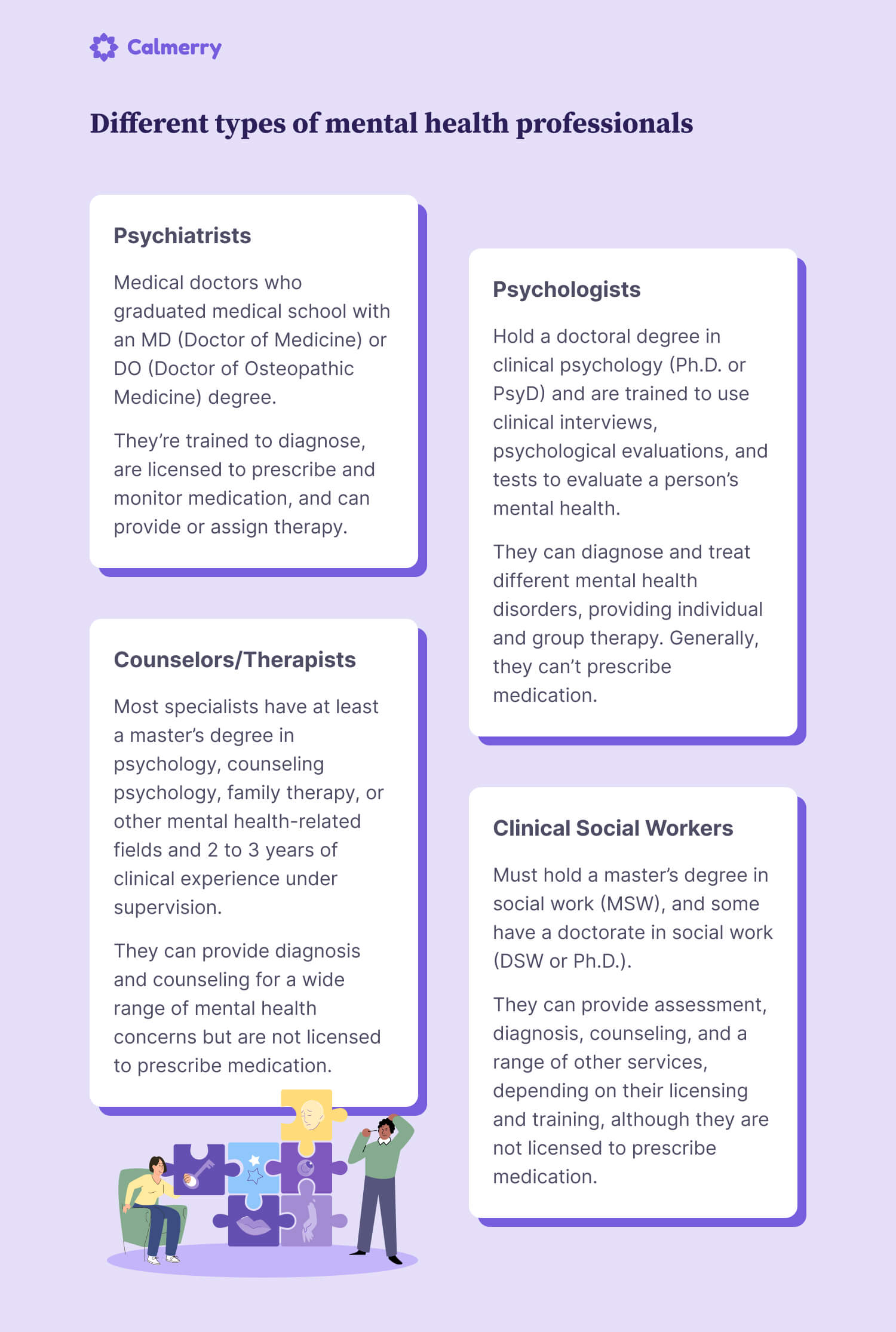
Emotional assessment works as an essential entrance to comprehending cognitive distinctions, finding out patterns, and neurodevelopmental conditions that shape exactly how people browse the globe. Whether looking for quality concerning ADHD signs and symptoms, autism spectrum features, or learning specials needs, extensive examination gives the diagnostic foundation required for proper treatments, lodgings, and self-understanding. Bridges of the Mind offers neurodivergent-affirming evaluations that prioritize comprehending private cognitive accounts over pathologizing distinctions.
ADHD Testing: Beyond Sign Checklists
ADHD assessment has progressed dramatically from basic behavioral lists to detailed evaluations that analyze executive functioning, interest law, and neuropsychological patterns. Quality ADHD screening integrates numerous data sources including organized scientific interviews, standard rating scales, continual efficiency tests, and frequently neuropsychological steps of working memory and processing rate. Bridges of the Mind approaches ADHD examination with this multifaceted lens, recognizing that accurate diagnosis needs understanding how interest differences show up across different contexts and life domains.
The analysis process normally begins with an extensive developmental background checking out signs and symptom start, duration, and useful influence. ADHD symptoms have to be present prior to age twelve and trigger considerable problems in numerous settings to meet diagnostic requirements. Nevertheless, numerous people-- particularly women and high-achieving grownups-- develop advanced compensatory techniques that mask underlying interest difficulties until demands surpass coping capacity. Comprehensive evaluation recognizes these concealed discussions through performance-based screening that discloses executive operating obstacles not obvious in self-report alone.
Constant performance tests like the TOVA or Conners CPT determine continual interest, impulse control, and action irregularity under controlled problems. These computerized assessments offer unbiased data about interest patterns that complement subjective sign records. When combined with steps of functioning memory, processing speed, and cognitive flexibility, evaluators gain insight into the specific executive functioning profile underlying attention difficulties. Bridges of the Mind uses this multi-method method to differentiate ADHD from anxiousness, anxiety, or other conditions that produce attention-related symptoms.
Autism Range Analysis: Recognizing Diverse Presentations
Autism assessment needs specific knowledge provided the range nature of the condition and historic biases that caused diagnostic requirements greatly weighted towards male presentation patterns. Comprehensive autism screening examines social communication distinctions, sensory processing patterns, recurring behaviors or limited interests, and the cognitive handling style frequently defined as detail-focused or pattern-oriented reasoning. Bridges of the Mind supplies analyses notified by present understanding of autism as a neurological difference as opposed to a disorder needing remediation.
The gold-standard autism analysis devices consist of the ADOS-2 (Autism Analysis Monitoring Arrange) and ADI-R (Autism Diagnostic Interview-Revised), though several medical professionals integrate additional steps attending to sensory processing, alexithymia, and camouflaging behaviors usual in autistic individuals that discovered to mask their natural interaction design. The examination procedure checks out developmental background with particular focus to early social interaction patterns, sensory experiences, and the visibility of extreme rate of interests or repetitive actions.
Adult autism analysis presents one-of-a-kind challenges as people frequently establish advanced covering up techniques that cover diagnostic features throughout quick clinical encounters. Comprehensive evaluation for adults consists of evaluation of autistic exhaustion, co-occurring problems like stress and anxiety or anxiety, and the accumulated influence of browsing a neurotypical world without appropriate support or self-understanding. Bridges of the Mind identifies that late-identified autism usually mirrors evaluation voids instead than late-onset signs, particularly for ladies, non-binary people, and individuals of shade historically excluded from autism research study and medical diagnosis.
Learning Impairment Screening: Identifying Specific Understanding Differences
Learning impairment assessment recognizes specific cognitive handling differences that interfere with academic skill acquisition regardless of adequate intelligence and academic chance. Comprehensive analysis takes a look at analysis, composing, maths, and occasionally oral language capacities while evaluating underlying cognitive procedures including phonological processing, orthographic processing, working memory, and processing speed. Bridges of the Mind's learning impairment assessments supply detailed cognitive accounts that educate academic treatments and holiday accommodation recommendations.
The evaluation process usually includes intellectual evaluation making use of steps like the WAIS or WISC alongside success screening checking out scholastic skill growth throughout domain names. Significant inconsistencies between cognitive capacity and scholastic achievement suggest specific discovering impairments influencing specific skill locations. Modern diagnostic designs progressively acknowledge that finding out disabilities can happen without ability-achievement discrepancies, especially when offsetting approaches mask underlying processing troubles.
Dyslexia evaluation focuses on phonological understanding, fast automatized identifying, orthographic processing, and checking out fluency procedures. Dyscalculia analysis checks out number feeling, mathematical thinking, and estimation fluency along with visual-spatial processing capabilities. Dysgraphia analysis addresses great electric motor skills, orthographic coding, and written expression fluency. Bridges of the Mind offers separated evaluation protocols resolving each learning disability type while recognizing that individuals usually existing with co-occurring learning differences calling for extensive examination across multiple domains.
Kid Evaluation: Developing Factors To Consider in Assessment
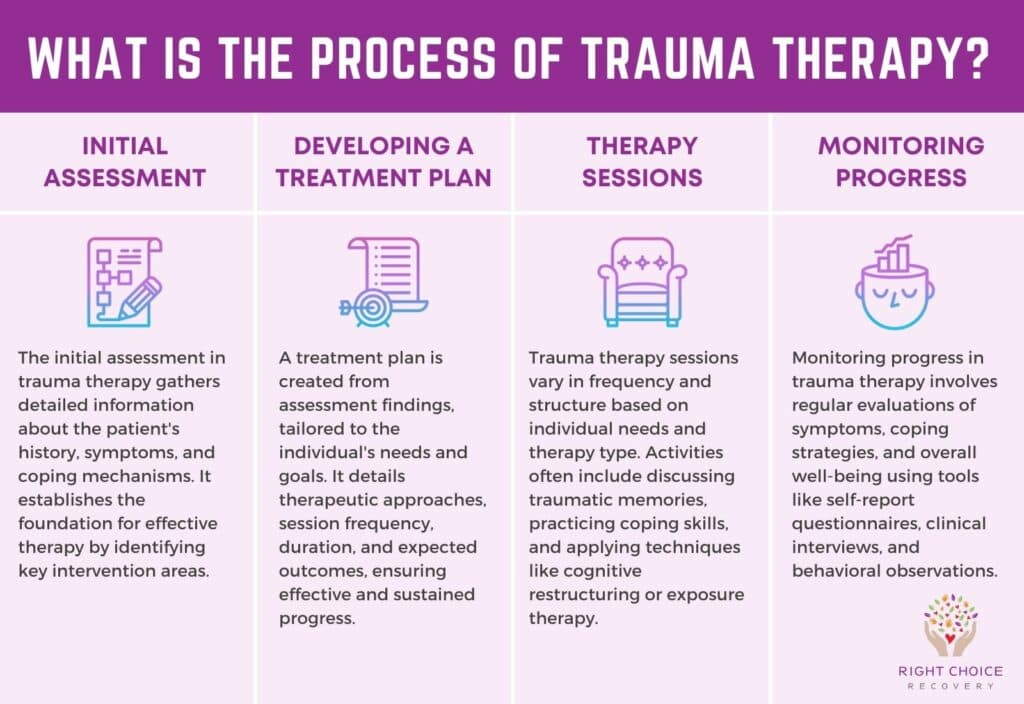
Psychological assessment of kids requires specific experience in developing psychology, youngster involvement methods, and age-appropriate evaluation measures. Youngster examinations must make up developmental irregularity, the impact of household and instructional environments, and the youngster's capability to participate meaningfully in testing tasks. Bridges of the Mind comes close to youngster analysis with developmentally delicate methods that balance standardization requirements with the adaptability necessary for legitimate outcomes with young or diverse students.
Play-based evaluation strategies confirm particularly beneficial for kids who lack the continual focus or verbal capacities needed for traditional screening formats. Empirical analysis during structured play tasks reveals cognitive capacities, social interaction patterns, and emotional law skills that educate diagnostic impressions. Parent and instructor score ranges offer essential information about the kid's functioning across setups, though critics need to translate these subjective records within the broader assessment context.
School-based useful problems represents a vital factor to consider in child assessment. Examinations take a look at not just whether diagnostic standards are fulfilled yet likewise exactly how cognitive differences influence educational progress, peer partnerships, and the kid's establishing sense of capability. Bridges of the Mind supplies assessment reports that translate diagnostic searchings for right into practical recommendations for school holiday accommodations, therapeutic treatments, and parenting techniques that sustain the youngster's developing trajectory.
Grown-up Evaluation: Identifying Late-Diagnosed Neurodivergence
Grown-up psychological assessment addresses the growing recognition that many neurodivergent people maturate without appropriate medical diagnosis or understanding of their cognitive distinctions. Grownups looking for assessment usually present after years of unusual fight with employment, partnerships, or day-to-day operating that triggered investigation into feasible hidden conditions. Bridges of the Mind focuses on grown-up assessment that contextualizes present working within developmental history and accumulated life experiences.
The adult analysis procedure need to disentangle neurodevelopmental problems from obtained mental health and wellness conditions, clinical problems, or regular cognitive variations. ADHD and autism assessments for adults need mindful developmental history celebration, typically entailing childhood years progress report, parent meetings when feasible, and in-depth exploration of offsetting approaches created across the life expectancy. Adults with undiagnosed learning specials needs might present with work efficiency difficulties, avoidance of analysis or composing tasks, or anxiousness around scholastic situations that masks underlying handling differences.
Expert and personal problems documentation becomes particularly vital for grownups looking for office holiday accommodations under the Americans with Disabilities Act or scholastic holiday accommodations in higher education and learning setups. Comprehensive assessment reports offer the thorough analysis rationale and useful impact documentation needed for protecting appropriate assistances. Bridges of the Mind understands the functional implications of grown-up evaluation and frameworks analysis reports to attend to lodging and intervention planning together with analysis information.
Neurodivergent-Affirming Analysis: Changing the Standard
Neurodivergent-affirming assessment represents an essential change from deficit-focused assessment toward recognizing cognitive distinctions as natural variants in human neurology. This method acknowledges that ADHD, autism, and discovering handicaps entail both obstacles and toughness, with difficulties commonly reflecting inadequate environmental fit instead of integral pathology. Bridges of the Mind welcomes this attesting viewpoint while offering extensive diagnostic assessment that opens up doors to sustain services and self-understanding.
The neurodiversity paradigm reframes conditions traditionally considered as conditions as neurological distinctions with associated characteristics rather than signs calling for removal. Attesting analysis checks out exactly how people experience their neurocognitive distinctions, what supports boost working, and just how to improve existing staminas while dealing with genuine difficulties. This strengths-based method proves particularly valuable for people that internalized pity regarding their differences before understanding their neurological basis.
Ey Em
I recently brought my child for an evaluation with Dr. Womack and she was amazing! She was so kind and patient to me and my child. She did not show any judgment toward us. At times I felt so embarrassed because my child was not in the mood, but Dr. Womack continued to stay patient and was very understanding. I highly recommend this place. ***Addition*** I wanted to add that I'm a little surprised by the other reviews because Bridges of the Mind was in constant communication with me (email and text) regarding my appointment. Yes, I was rescheduled one time, but life happens, and they worked with me as much as they could and I worked with them as well because it's unrealistic for a business to drop everything for you. This is a small business so they work differently from a large/corporation business.
Language options within evaluation reports reflect this affirming approach-- describing autistic attributes as opposed to autism signs and symptoms, analyzing executive operating differences as opposed to shortages, and acknowledging the validity of neurodivergent experiences. Bridges of the Mind balances the clinical version language in some cases required for insurance coverage or solution eligibility with person-first or identity-first language mirroring individual preferences and contemporary understanding of neurodiversity as valuable human variation calling for lodging instead of remediation.

Table of Contents
- – ADHD Testing: Beyond Sign Checklists
- – Autism Range Analysis: Recognizing Diverse Pre...
- – Learning Impairment Screening: Identifying Spe...
- – Kid Evaluation: Developing Factors To Consider...
- – Grown-up Evaluation: Identifying Late-Diagnose...
- – Neurodivergent-Affirming Analysis: Changing th...
- – Ey Em
Latest Posts
How Trauma Therapy in Auburn, CA Treats the Whole Person
Discovering the Right High-Achiever Specialist: A Deep Dive into EMDR and IFS Treatment for Specialists
Locating the Right High-Achiever Specialist: A Deep Study EMDR and IFS Treatment for Experts
Navigation
Latest Posts
How Trauma Therapy in Auburn, CA Treats the Whole Person
Discovering the Right High-Achiever Specialist: A Deep Dive into EMDR and IFS Treatment for Specialists
Locating the Right High-Achiever Specialist: A Deep Study EMDR and IFS Treatment for Experts